
 EN
EN
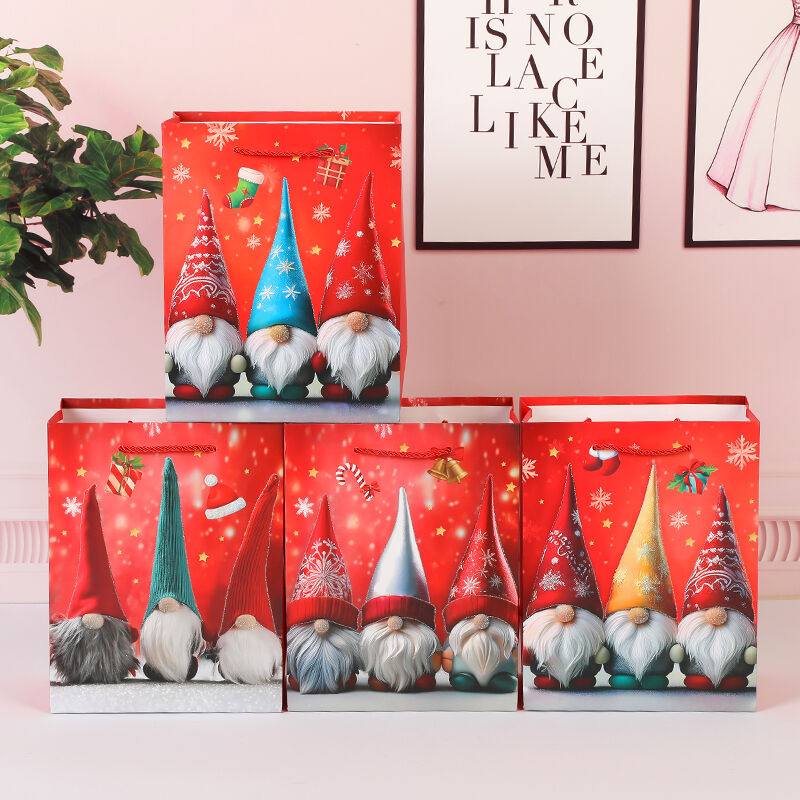
International agents serving the baby products market are increasingly selective about the brands and suppliers they represent, particularly when it comes to packaging solutions that align with global sustainability standards. The shift toward eco-friendly baby bags reflects not only consumer demand but also the strategic positioning requirements of distributors who operate across multiple regulatory environments. Our eco-friendly baby bags have become the preferred choice among international agents because they deliver a unique combination of environmental responsibility, market adaptability, regulatory compliance, and profitability that conventional alternatives simply cannot match.
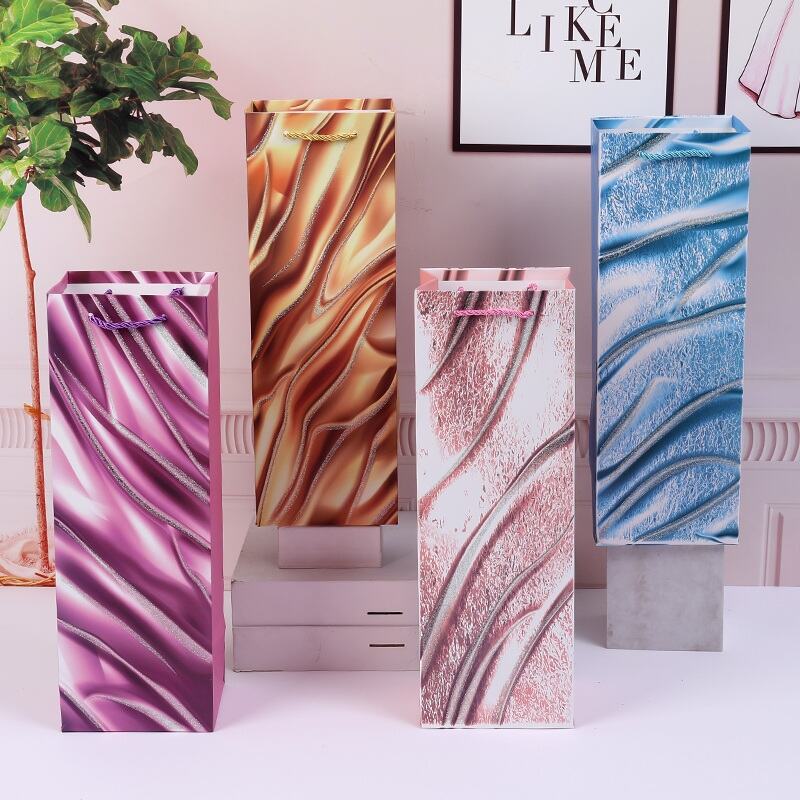
Agents who distribute baby products understand that packaging is far more than a protective vessel; it serves as a brand statement, a compliance document, and a purchasing decision factor for retail buyers and end consumers alike. The preference for our eco-friendly baby bags among international agents stems from specific business advantages that directly impact their market penetration, customer retention, and operational efficiency. These advantages are rooted in material innovation, design versatility, certification readiness, and supply chain reliability that address the practical challenges agents face when introducing products into diverse international markets.
Regulatory Compliance and Market Access Advantages
Meeting Stringent International Environmental Standards
International agents prioritize eco-friendly baby bags because they facilitate smoother market entry across regions with increasingly strict environmental regulations. The European Union's Single-Use Plastics Directive, California's packaging waste legislation, and similar frameworks in Australia and Canada create compliance barriers that conventional plastic-based baby bags cannot overcome. Our eco-friendly baby bags are manufactured using materials that meet or exceed these regulatory thresholds, including biodegradable kraft paper, recycled cardboard substrates, and water-based inks that eliminate toxic residues. This compliance-ready design means agents can confidently introduce products into multiple jurisdictions without costly reformulation or certification delays.
The material composition of eco-friendly baby bags aligns with international testing standards such as EN 13432 for compostability and ASTM D6400 for biodegradation, which are frequently required by customs authorities and retail chains in developed markets. Agents appreciate that our manufacturing process includes third-party verification documentation that can be presented during import clearance or retail buyer negotiations. This pre-certified approach reduces the administrative burden on agents and accelerates time-to-market, which is critical when competing for shelf space in seasonal baby product categories.
Reducing Liability and Recall Risks
International agents operating in baby product segments face heightened liability exposure due to the vulnerable consumer demographic and the protective regulatory oversight that accompanies it. Eco-friendly baby bags manufactured with non-toxic, food-safe materials minimize the risk of chemical leaching incidents that could trigger product recalls or legal claims. Our bags undergo rigorous testing for phthalates, heavy metals, and volatile organic compounds, with test results documented in compliance certificates that agents can provide to retail partners and regulatory authorities. This proactive risk management approach protects agents' reputations and financial stability in markets where consumer protection agencies maintain active surveillance programs.
The structural integrity of eco-friendly baby bags also contributes to liability reduction by ensuring that packaging performs consistently across varied shipping and storage conditions. Agents report fewer incidents of torn bags, compromised seals, or moisture damage compared to thinner plastic alternatives, which translates to lower return rates and fewer customer complaints. This reliability is particularly valuable for agents managing long supply chains with multiple handling points between manufacturing facilities and retail destinations.
Brand Differentiation and Consumer Appeal Factors
Aligning with Premium Positioning Strategies
International agents representing baby product brands in premium market segments prefer eco-friendly baby bags because they reinforce the quality perceptions that justify higher price points. The tactile qualities of kraft paper and recycled materials convey authenticity and care, which resonate strongly with parents willing to pay premium prices for products that reflect their values. Our eco-friendly baby bags feature customizable design elements including embossed logos, natural fiber ribbons, and window panels with plant-based film that create a distinctive unboxing experience. This sensory differentiation helps agents position their brands as thoughtful, responsible choices in crowded retail environments where visual impact determines purchase decisions.
The association between eco-friendly baby bags and premium brand identity extends beyond aesthetics to include storytelling opportunities that agents leverage in marketing materials and retail presentations. Our bags include space for sustainability narratives, certification logos, and QR codes linking to environmental impact data, which enables agents to communicate brand values effectively at the point of sale. This narrative capability is especially valuable in specialty retail channels and online marketplaces where detailed product stories influence conversion rates and customer loyalty.
Capturing the Conscious Consumer Segment
The global baby products market is experiencing a demographic shift toward millennial and Gen Z parents who prioritize sustainability in purchasing decisions. International agents recognize that eco-friendly baby bags serve as visible signals of environmental commitment that influence retail buyer selection and consumer preference. Market research consistently shows that parents are willing to switch brands based on packaging sustainability, making eco-friendly baby bags a competitive differentiator for agents seeking to capture market share in growth segments. Our bags enable agents to respond to RFPs from major retailers who have established corporate sustainability targets that require supplier participation in waste reduction programs.
The consumer appeal of eco-friendly baby bags extends to social media shareability, which amplifies marketing reach without additional agent investment. Parents frequently photograph and share baby product packaging that aligns with their lifestyle values, creating organic brand exposure that benefits agents through increased visibility and enhanced brand perception. Our bag designs incorporate visually appealing natural textures and minimalist graphics that photograph well and encourage social sharing, effectively turning packaging into a marketing asset that extends beyond its functional purpose.
Economic and Operational Benefits for Distribution Networks
Cost Efficiency Through Material Innovation
International agents prefer eco-friendly baby bags not despite their sustainability features but partially because of the economic advantages that modern material science has made possible. Advances in recycled paper manufacturing and biodegradable coating technologies have reduced the price premium that eco-friendly baby bags once commanded over conventional plastic alternatives. Our production processes utilize post-consumer recycled content and agricultural waste streams that lower raw material costs while maintaining structural performance. This cost competitiveness enables agents to adopt eco-friendly baby bags without sacrificing profit margins or pricing competitiveness in price-sensitive market segments.
The weight efficiency of eco-friendly baby bags also contributes to freight cost savings that improve agents' overall logistics economics. Lighter kraft paper bags reduce dimensional weight charges in air freight and volumetric pricing in container shipping, which is particularly significant for agents consolidating multiple SKUs in mixed container loads. Our bag designs optimize material thickness to balance protection requirements with weight minimization, resulting in shipping cost reductions that can offset any remaining material cost differential compared to plastic alternatives.
Supply Chain Reliability and Customization Speed
International agents value eco-friendly baby bags for the supply chain stability they provide through diversified sourcing options and reduced dependence on petroleum-based materials subject to volatile commodity pricing. Our manufacturing partnerships utilize regionally sourced recycled paper and plant-based materials that insulate agents from the price fluctuations and supply disruptions that frequently affect plastic resin markets. This supply stability enables agents to commit to fixed-price contracts with retail buyers without exposure to material cost escalation that could erode profitability during contract periods.
The customization capabilities of eco-friendly baby bags also support agents' need for market-specific branding and rapid response to seasonal demand patterns. Our digital printing technology enables short-run customization without the tooling costs and minimum order quantities associated with plastic bag printing, allowing agents to test new markets, create region-specific designs, and respond to promotional opportunities with faster turnaround times. This flexibility is particularly valuable for agents serving multiple retailers with distinct branding requirements or operating in markets with frequent regulatory label changes.
Long-Term Strategic Positioning and Relationship Building
Strengthening Retail Partnerships Through Sustainability Alignment
International agents recognize that eco-friendly baby bags strengthen their relationships with retail buyers who face increasing pressure to meet corporate sustainability commitments and respond to consumer environmental concerns. Major retail chains have established supplier scorecards that evaluate packaging sustainability as a criterion for vendor selection and shelf space allocation. Our eco-friendly baby bags enable agents to score favorably on these assessments, which translates to preferred vendor status, expanded distribution opportunities, and collaborative marketing support from retail partners. This strategic alignment creates competitive barriers that protect agents' market positions against competitors still using conventional packaging.
The transparency and traceability features built into our eco-friendly baby bags also support agents' participation in retailer sustainability reporting programs. Our supply chain documentation includes material origin certificates, carbon footprint calculations, and end-of-life disposal guidance that retailers can incorporate into their corporate social responsibility disclosures. This data accessibility reduces the administrative burden on retail buyers and positions agents as collaborative partners rather than transactional suppliers, which strengthens relationship depth and creates switching costs that enhance customer retention.
Future-Proofing Against Regulatory Evolution
International agents adopting eco-friendly baby bags today are positioning themselves ahead of regulatory trends that will inevitably tighten packaging standards in coming years. Legislative momentum toward extended producer responsibility schemes, plastic taxation, and circular economy mandates is accelerating globally, with early adopters gaining competitive advantages over agents who delay sustainability transitions. Our eco-friendly baby bags are designed to accommodate emerging regulatory requirements including material tracking systems, recyclability labeling, and take-back program participation, which protects agents' market access as compliance thresholds evolve.
The forward-looking design of eco-friendly baby bags also aligns with anticipated consumer expectations that will shape purchasing behavior in next-generation parent demographics. As environmental education expands and climate awareness intensifies, packaging sustainability will transition from a differentiator to a baseline expectation in baby product categories. Agents who establish market positions with eco-friendly baby bags now will benefit from incumbent advantages when sustainability becomes non-negotiable, including brand recognition, distribution relationships, and operational expertise that late entrants will struggle to replicate.
FAQ
What specific certifications do international agents require for eco-friendly baby bags?
International agents typically require eco-friendly baby bags to hold certifications that demonstrate compliance with environmental and safety standards in their target markets. Common requirements include FSC or PEFC chain-of-custody certification for paper sourcing, compostability verification under EN 13432 or ASTM D6400, and food-contact safety testing under FDA or EU regulations. Agents serving European markets often need migration testing results for inks and coatings, while those in North American markets may require California Proposition 65 compliance documentation. Our eco-friendly baby bags are manufactured with these certification requirements built into the production process, with documentation packages ready for agent distribution to retail buyers and regulatory authorities.
How do eco-friendly baby bags perform in humid or tropical climates where agents operate?
Eco-friendly baby bags designed for international distribution incorporate moisture-resistant coatings and structural reinforcements that maintain performance in humid and tropical environments without compromising biodegradability. Our bags utilize water-based barrier coatings that prevent moisture absorption while remaining compostable, and reinforced gussets that maintain structural integrity under high-humidity storage conditions. Agents operating in Southeast Asia, Central America, and other tropical regions report that our eco-friendly baby bags perform comparably to plastic alternatives in warehouse and retail environments, with proper storage practices including palletization and climate-controlled distribution centers extending shelf life beyond typical seasonal inventory cycles.
Can agents customize eco-friendly baby bags for different retail channels and regional preferences?
Customization capabilities are a key advantage that makes eco-friendly baby bags attractive to international agents serving diverse retail channels and geographic markets. Our manufacturing platform supports variable data printing for region-specific language requirements, custom sizing to accommodate different product formats, and design variations that align with cultural preferences in color, imagery, and branding style. Agents can order mixed SKU container loads with multiple design variants without incurring prohibitive setup costs, enabling market testing and segmentation strategies that would be economically impractical with conventional packaging. Digital printing technology allows design iterations between production runs, supporting agents' need to respond to retail feedback and seasonal trend shifts.
What minimum order quantities do agents face when sourcing eco-friendly baby bags?
Minimum order quantities for eco-friendly baby bags have decreased significantly as manufacturing technology has evolved, making them accessible to agents with varying scale requirements. Our standard minimum order quantity starts at 5,000 units for stock designs with custom printing, and 10,000 units for fully custom structural designs, which is competitive with conventional packaging minimums. For agents testing new markets or serving smaller retailers, we offer stock bag designs with lower minimums that accept custom label application, enabling market entry with initial orders as small as 1,000 units. This flexible approach allows agents to scale their commitments proportionally to market opportunity while maintaining cost efficiency through consolidated ordering across multiple clients or regions.
Table of Contents
- Regulatory Compliance and Market Access Advantages
- Brand Differentiation and Consumer Appeal Factors
- Economic and Operational Benefits for Distribution Networks
- Long-Term Strategic Positioning and Relationship Building
-
FAQ
- What specific certifications do international agents require for eco-friendly baby bags?
- How do eco-friendly baby bags perform in humid or tropical climates where agents operate?
- Can agents customize eco-friendly baby bags for different retail channels and regional preferences?
- What minimum order quantities do agents face when sourcing eco-friendly baby bags?