
 EN
EN

Maintaining baby gift bags in commercial retail deployments requires a strategic approach that balances presentation quality, operational efficiency, and customer satisfaction. For retail managers and merchandising teams working with baby gift bags, understanding proper maintenance protocols ensures consistent brand presentation while maximizing product lifespan and minimizing replacement costs. The unique nature of baby gift bags—often featuring delicate designs, pastel colors, and specialty finishes—demands specific handling and storage techniques that differ significantly from standard retail packaging maintenance.
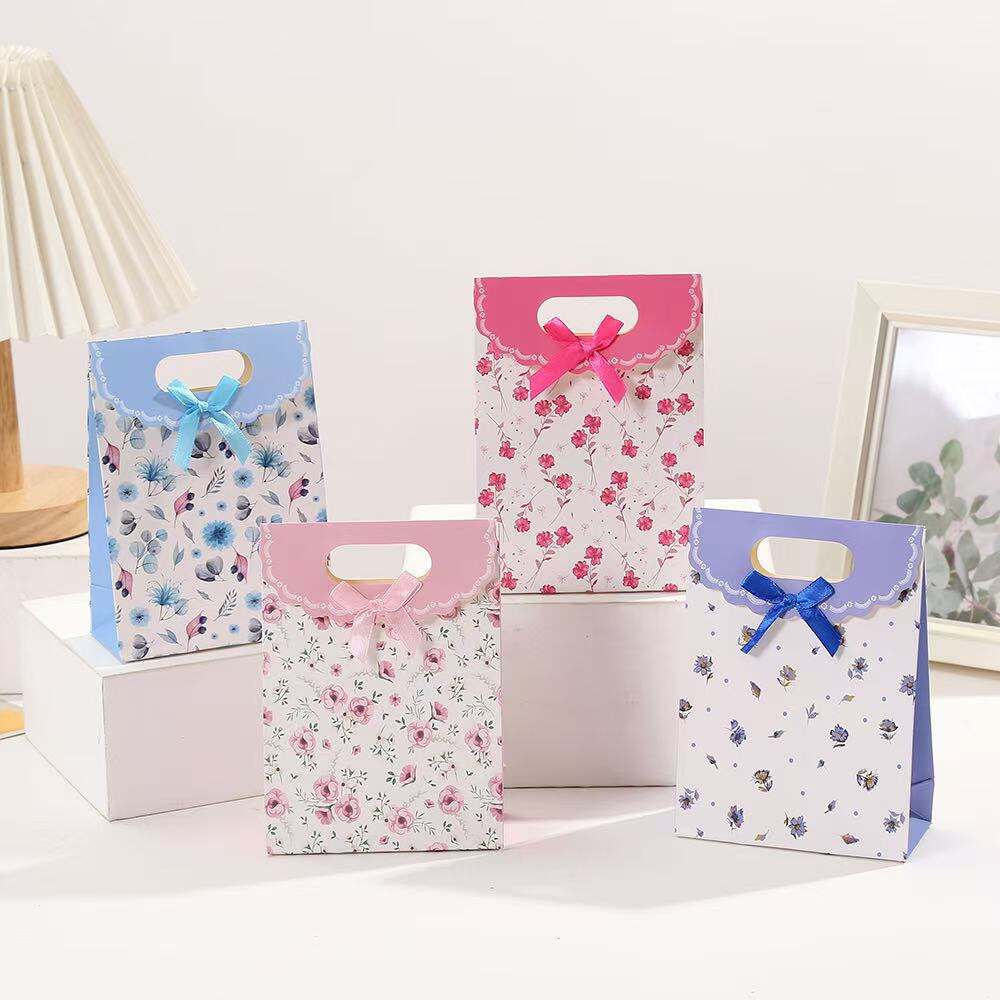
Commercial retail environments present distinct challenges for baby gift bags maintenance, including high-traffic conditions, varied environmental factors, and the need for rapid inventory turnover without compromising product integrity. Retailers investing in premium baby gift bags must implement comprehensive maintenance systems that address storage conditions, handling procedures, display rotation, and quality control checkpoints. This systematic approach not only preserves the aesthetic appeal of baby gift bags but also reinforces brand value perception among customers shopping for infant-related gifts. Understanding the complete maintenance lifecycle—from receiving inventory through final sale—enables retailers to optimize their baby gift bags program while reducing waste and enhancing the overall customer experience.
Storage Environment Optimization for Baby Gift Bags
Controlling Humidity and Temperature Variables
The storage environment significantly impacts the longevity and presentation quality of baby gift bags in commercial settings. Maintaining optimal humidity levels between 40-60% prevents common deterioration issues such as paper warping, adhesive failure, and color fading that frequently affect baby gift bags. Retail storage areas should be equipped with humidity monitoring systems and climate control to ensure consistent conditions, particularly in regions experiencing seasonal weather variations. Temperature stability within the 65-75°F range prevents material degradation while protecting specialty finishes commonly used on baby gift bags including foil stamping, embossing, and UV coatings.
Implementing dedicated storage zones for baby gift bags separate from general inventory protects these items from contamination and physical damage. Enclosed shelving units with dust covers provide an additional protective layer while allowing adequate air circulation to prevent moisture accumulation. Retailers should avoid storing baby gift bags near loading docks, restrooms, or food service areas where environmental conditions fluctuate significantly. Regular inspection of storage areas identifies potential issues such as water leaks, pest activity, or HVAC malfunctions before they compromise inventory quality.
Light Exposure Management Strategies
Protecting baby gift bags from prolonged light exposure preserves color vibrancy and prevents premature fading of printed designs. Storage areas should minimize natural sunlight penetration through the use of UV-filtering window treatments or by positioning inventory away from direct window exposure. Fluorescent lighting in storage zones should be limited to necessary operational periods, with motion-activated or timed lighting systems reducing cumulative exposure. The pastel colors and soft imagery typical of baby gift bags prove particularly susceptible to photodegradation, making light management a critical maintenance priority.
Retailers utilizing open display fixtures for baby gift bags should implement rotation schedules that limit individual product exposure time. Display samples can be replaced weekly or bi-weekly depending on store lighting intensity, with rotated items returned to protected storage for recovery periods. This systematic rotation maintains consistent display quality while extending the overall usable lifespan of inventory. Investing in LED lighting with reduced UV emission provides an additional protective measure for both displayed and stored baby gift bags without compromising visibility or aesthetic appeal.
Handling Protocols and Staff Training Requirements
Establishing Standardized Handling Procedures
Developing clear handling protocols for baby gift bags ensures consistent quality maintenance across all staff members and operational shifts. Training materials should emphasize the importance of clean, dry hands when handling baby gift bags to prevent oil transfer, staining, or moisture damage to paper surfaces. Staff members should be instructed to handle baby gift bags by their structural reinforcements rather than decorative elements, which may include delicate ribbons, bows, or applied embellishments that can detach under stress. Proper lifting techniques prevent creasing and structural damage, particularly important for larger format baby gift bags with extended handles.
Implementing a first-in-first-out inventory system for baby gift bags prevents extended storage periods that can lead to degradation even under optimal conditions. Clear date coding on storage boxes enables staff to quickly identify older inventory requiring priority use. Training should also address the inspection process, teaching staff to recognize signs of quality deterioration including corner damage, handle separation, printing defects, or surface contamination. Establishing quality thresholds for customer-ready baby gift bags ensures consistency while empowering staff to remove substandard items from circulation.
Minimizing Physical Contact and Contamination
Reducing unnecessary handling of baby gift bags throughout the retail operation preserves product condition and minimizes contamination risks. Point-of-sale protocols should include dedicated wrapping stations where baby gift bags are accessed directly from protected storage rather than customer-accessible displays. Staff should be trained to touch only the necessary surfaces during customer service interactions, avoiding excessive manipulation that can transfer oils or cause structural stress. Retail environments serving food or beverages require additional precautions, with staff washing hands before handling baby gift bags to prevent cross-contamination.
Establishing clean work surfaces specifically designated for baby gift bags assembly and preparation creates a controlled environment that protects product quality. These stations should be wiped down regularly with appropriate cleaning solutions that remove dust and debris without leaving residue that might transfer to paper surfaces. When restocking display areas, staff should use clean carts or containers rather than carrying multiple baby gift bags simultaneously, which increases the risk of crushing, creasing, or dropping items. These protocols become particularly important during peak retail periods when operational pace increases and quality control becomes more challenging.
Display Maintenance and Presentation Standards
Preventing Display-Related Damage
Maintaining baby gift bags on retail displays requires proactive monitoring and adjustment to prevent common damage patterns. Overcrowding display fixtures leads to compression damage, creasing, and handle tangling that degrades product appearance and reduces customer appeal. Display capacity should be calculated based on baby gift bags dimensions and structural characteristics, with adequate spacing allowing customers to select items without disturbing adjacent products. Regular display audits identify overcrowding issues and prompt redistribution of excess inventory to backup storage locations.
Positioning baby gift bags on display fixtures should account for customer traffic patterns and product vulnerability. High-touch zones near aisle intersections or entrance areas experience greater handling frequency, making these locations suitable for more durable baby gift bags styles while reserving delicate specialty items for protected display areas. Vertical display orientation typically provides better structural support than horizontal stacking, which can cause bottom-tier compression and deformation. Retailers should evaluate display hardware compatibility with baby gift bags specifications, ensuring hooks, shelves, or compartments adequately support product weight without causing stress concentration points.
Implementing Regular Display Refresh Cycles
Scheduled display refresh activities maintain the visual appeal of baby gift bags presentations while identifying quality issues before they become apparent to customers. Daily display checks should include straightening products, removing any items showing visible damage, and replacing sold inventory with fresh stock from protected storage. Weekly deep-cleaning protocols address dust accumulation on both fixtures and product surfaces, using compressed air or soft brushes that clean without abrading delicate finishes on baby gift bags. These routine maintenance activities signal quality commitment to customers while preserving inventory value.
Seasonal display transitions provide opportunities for comprehensive baby gift bags inventory assessment and rotation. Complete fixture teardowns enable thorough cleaning and allow staff to inspect all inventory for age-related degradation or damage that accumulated during the display period. This process also facilitates the introduction of new baby gift bags designs aligned with seasonal themes or promotional campaigns. Documentation of removed items helps identify recurring damage patterns that may indicate fixture design issues, handling problems, or environmental factors requiring corrective action.
Quality Control Systems and Inspection Protocols
Receiving Inspection Procedures
Establishing rigorous receiving inspection protocols for baby gift bags shipments prevents defective or damaged inventory from entering the retail system. Upon delivery, staff should verify package integrity before accepting shipments, documenting any visible transportation damage that might have compromised interior contents. Opening procedures should be methodical and gentle, avoiding cutting tools that might accidentally damage baby gift bags nested within shipping containers. Initial visual inspection should assess overall condition, checking for crushing, water damage, or other shipping-related issues affecting product quality.
Detailed inspection of baby gift bags samples from each shipment identifies manufacturing defects or quality inconsistencies requiring supplier communication. Staff should examine printing registration, color consistency, structural integrity, handle attachment quality, and finish application across multiple units to establish batch quality. Any deviations from expected specifications should be documented with photographs and lot numbers to facilitate supplier discussions. Implementing acceptance criteria based on defect rates allows retailers to reject substandard shipments while maintaining supplier accountability for baby gift bags quality standards.
Ongoing Inventory Quality Monitoring
Continuous monitoring of baby gift bags inventory throughout its retail lifecycle identifies emerging quality issues before they impact customer satisfaction. Monthly inventory audits should sample items from both storage and display locations, assessing condition against established quality benchmarks. This systematic approach detects gradual degradation patterns that might not be apparent through daily casual observation. Creating quality scorecards for different baby gift bags styles helps identify which designs or materials demonstrate superior durability under specific retail conditions, informing future purchasing decisions.
Implementing a customer feedback loop specifically addressing baby gift bags quality provides valuable real-world performance data. Training sales staff to solicit informal feedback during transactions captures customer perceptions about product condition, design appeal, and functional adequacy. Formal feedback mechanisms such as receipt surveys or follow-up emails can include specific questions about baby gift bags satisfaction. This customer intelligence helps retailers refine maintenance protocols while identifying quality expectations that may differ from internal standards. Tracking return rates and damage claims related to baby gift bags reveals systematic issues requiring operational adjustments.
Seasonal and Long-Term Storage Considerations
Managing Seasonal Inventory Transitions
Retailers carrying seasonal baby gift bags designs must implement specialized storage protocols for off-season inventory that may remain in storage for extended periods. Before transitioning seasonal baby gift bags to long-term storage, items should undergo thorough inspection to ensure only pristine inventory enters extended storage. Packaging seasonal baby gift bags in sealed containers with desiccant packets protects against humidity fluctuation and contamination during storage periods. Clear labeling with season, year, and quantity information facilitates efficient retrieval when seasonal rotations occur.
Storage location selection for seasonal baby gift bags should prioritize stable environmental conditions over accessibility, as these items will not require frequent retrieval. Climate-controlled warehouse space or elevated storage areas with minimal temperature fluctuation provide ideal conditions for extended storage periods. Periodic inspection schedules—quarterly or semi-annually—verify that storage conditions remain adequate and that baby gift bags are not experiencing degradation. This proactive monitoring prevents the disappointing discovery of damaged inventory when seasonal demand returns.
Addressing Extended Shelf Life Challenges
Even under optimal conditions, paper-based baby gift bags experience gradual quality changes over extended time periods. Retailers should establish maximum shelf life guidelines for baby gift bags inventory based on material composition and finish types. Standard paper stock with simple printing may remain stable for 18-24 months, while specialty finishes or metallic elements may show degradation within 12 months. Implementing inventory aging systems with color-coded labels or digital tracking enables proactive identification of approaching expiration thresholds.
Developing promotional strategies for aging baby gift bags inventory prevents waste while maintaining quality standards. Offering slightly older inventory as value-added components in gift-with-purchase promotions or employee appreciation programs moves stock before quality degradation becomes apparent. These strategies should be implemented while inventory remains fully presentable, avoiding the temptation to sell compromised products that might damage brand reputation. Planning procurement volumes based on realistic turnover rates reduces the likelihood of extended storage requirements, though maintaining safety stock levels remains important for meeting unexpected demand spikes.
FAQ
How often should display baby gift bags be rotated to storage areas?
Display baby gift bags should be rotated to storage areas every 7-14 days depending on store lighting intensity and customer traffic levels. High-illumination retail environments or locations with significant natural light exposure require more frequent rotation to prevent color fading and material degradation. Stores with controlled lighting and lower traffic volumes may extend rotation cycles to bi-weekly intervals. Implementing a systematic rotation schedule ensures consistent display quality while extending the usable lifespan of your baby gift bags inventory. Track rotation dates using simple labeling systems or digital inventory management tools to maintain consistency across multiple locations or staff shifts.
What are the most common causes of baby gift bags damage in retail settings?
The primary causes of baby gift bags damage in commercial retail include improper handling that causes creasing or handle separation, overcrowded display conditions leading to compression damage, excessive light exposure causing color fading, and inadequate storage conditions resulting in moisture damage or contamination. Customer browsing behavior contributes significantly to display-level damage as shoppers examine multiple options before selection. Environmental factors such as humidity fluctuations, temperature extremes, and dust accumulation also degrade baby gift bags over time. Addressing these damage vectors through proper staff training, appropriate display design, environmental controls, and regular maintenance protocols significantly reduces loss rates and preserves inventory value throughout the retail cycle.
Can damaged baby gift bags be repaired for continued retail sale?
Minor damage to baby gift bags can sometimes be addressed through careful repair techniques, though retailers must carefully evaluate whether repaired items meet customer quality expectations. Small corner creases can occasionally be smoothed using gentle pressure and moisture control, while detached decorative elements might be reattached using appropriate adhesives. However, visible repairs, color fading, structural compromise, or contamination typically render baby gift bags unsuitable for retail sale regardless of repair attempts. Most retailers find that maintaining strict quality standards and removing damaged items from customer-facing inventory protects brand reputation more effectively than attempting repairs. Damaged inventory can be repurposed for internal use, employee purchases at discount, or charitable donations rather than risking customer dissatisfaction with substandard products.
What storage container types work best for protecting baby gift bags inventory?
Rigid plastic storage containers with secure lids provide optimal protection for baby gift bags in commercial retail storage environments. These containers shield contents from dust, moisture, and physical damage while allowing stacking for efficient space utilization. Container size should be selected based on baby gift bags dimensions to minimize internal movement during handling and transport. Clear or translucent containers facilitate quick visual inventory assessment without requiring opening, reducing unnecessary handling. For long-term or seasonal storage, opaque containers offer superior light protection. Avoid cardboard boxes for extended storage periods as they provide minimal moisture protection and can themselves become sources of contamination. Label all containers clearly with contents, quantity, and date information to support efficient inventory rotation and retrieval protocols essential for maintaining baby gift bags quality throughout the supply chain.